It was supposed to be a formality. With the Ram temple consecration fresh in voters' minds and Ayodhya sitting at the heart of the constituency, Bharatiya Janata Party leaders were certain they would hold onto the Faizabad Lok Sabha seat. They were wrong.
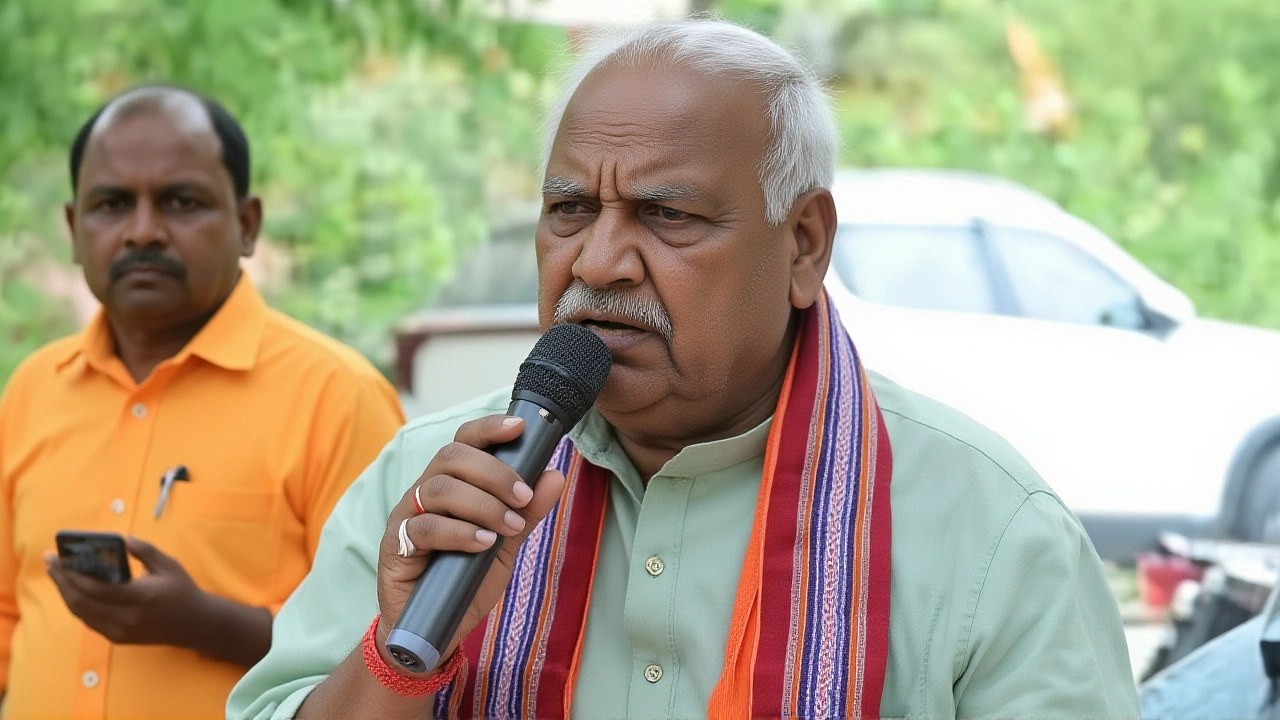
In one of the most shocking upsets of the 2024 Indian general elections, Awadhesh Prasad, nine-time MLA and senior Dalit leader for the Samajwadi Party, defeated incumbent MP Lallu Singh by a margin of 54,567 votes. The result didn't just change hands; it breached what analysts called the BJP's "saffron citadel," signaling a seismic shift in Uttar Pradesh's political landscape.
The victory came on June 4, 2024, when vote counting concluded across the state. Prasad secured 554,289 votes (48.59%), while Singh managed 499,722 (43.81%). It wasn't a close call—it was a repudiation of the BJP's caste arithmetic in one of its most symbolic strongholds.
The Numbers Behind the Upset
Let’s look at the data, because the numbers tell a story far more nuanced than simple anti-incumbency. Out of 11,40,661 votes cast—a turnout of 59.18%—Prasad built his lead not just in urban centers but across rural assembly segments that had previously leaned saffron.
Here’s how the five assembly segments within the Faizabad constituency performed:
- Dariyabad: SP led over BJP
- Rudauli: SP led over BJP
- Milkipur (SC): SP led over BJP
- Bikapur: SP led over BJP
- Ayodhya: BJP retained the lead
Turns out, even in the shadow of the Ram temple, the BJP couldn’t consolidate enough support outside the immediate Ayodhya segment. In four out of five segments, the Samajwadi Party pulled ahead. That’s a critical detail often missed in headline-grabbing narratives. The party didn’t just win; it dismantled the BJP’s base layer by layer.
Other candidates included Sachidanand Pandey of the Bahujan Samaj Party (46,407 votes) and Arvind Sen of the Communist Party of India (15,367 votes). NOTA received 7,536 votes. But the real contest was binary—and Prasad won decisively.
A Strategic Gamble Pays Off
Why did this happen? Partly because Akhilesh Yadav, Chief of the Samajwadi Party, took a massive strategic risk. He fielded a prominent Dalit leader from a general (non-reserved) seat. Historically, such moves have been rare—and risky.
But here’s the thing: it worked. Prasad, a septuagenarian with deep roots in local politics, mobilized Dalit voters who felt alienated by the BJP’s upper-caste-dominated narrative. More importantly, he stitched together an unlikely coalition of Other Backward Classes (OBCs) and Muslim voters. This isn’t just about caste; it’s about trust. And after years of governance fatigue in UP, many voters decided to switch sides.
As one local observer put it, “People weren’t voting against the temple. They were voting for better roads, jobs, and dignity.”
Historical Context: From ‘Jinx of Five’ to 37 Seats
To understand the magnitude of this loss, you need to go back ten years. Since 2014, the Samajwadi Party had been stuck in what critics called the “jinx of five”—winning exactly five Lok Sabha seats in every national election. It was a ceiling they couldn’t break.
In 2019, Lallu Singh retained Faizabad with 529,021 votes, defeating SP’s Anand Sen by 65,477 votes. Voter turnout then was slightly higher at 59.69%. Back then, the BJP looked invincible in UP. Fast forward to 2024, and the script flipped entirely.
This time, the SP didn’t just win Faizabad—they won 37 out of 80 Lok Sabha seats in Uttar Pradesh. That’s not a blip. That’s a resurrection. And Faizabad was the spark.
What Does This Mean for Future Elections?
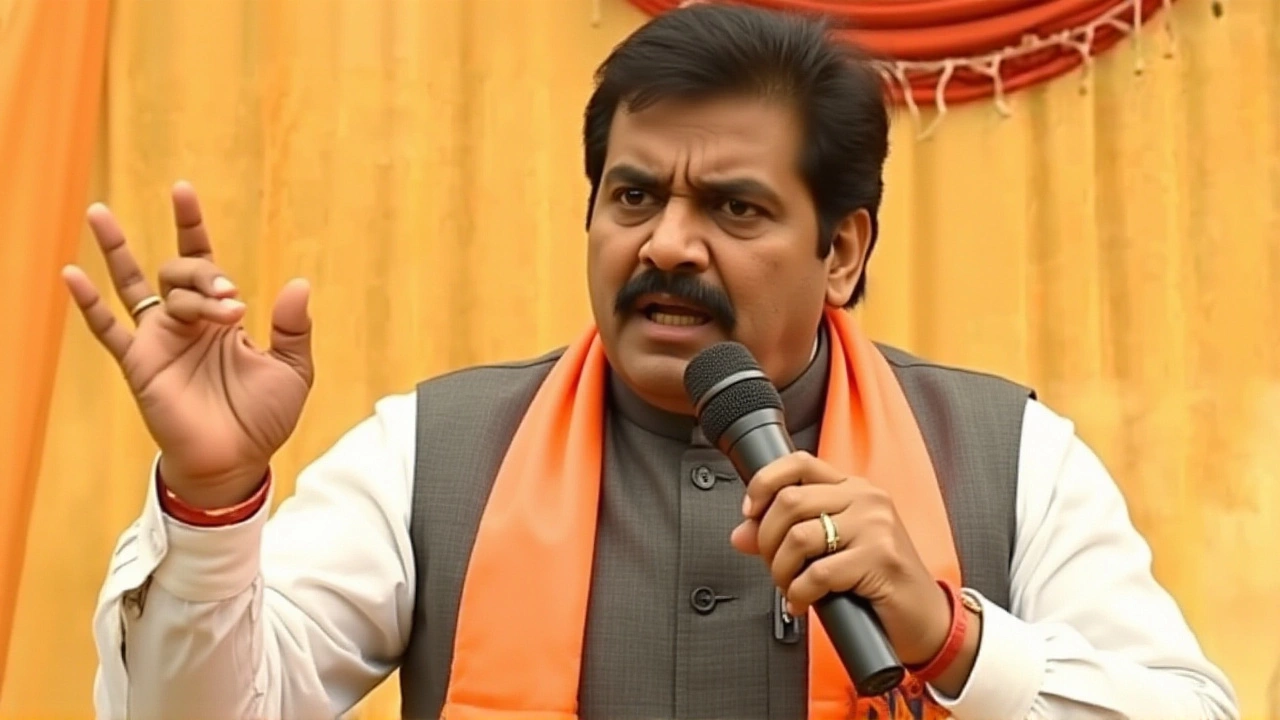
The ripple effects are already being felt. Political strategists across parties are re-evaluating their candidate selection processes. If a Dalit leader can win a general seat in Ayodhya’s backyard, what other assumptions are outdated?
For the BJP, the message is clear: symbolism alone doesn’t win elections anymore. Ground-level issues—employment, agriculture, infrastructure—are taking center stage. For the SP, it’s validation of a new model: inclusive coalitions built on performance rather than identity politics alone.
Looking ahead, expect similar strategies in other key constituencies. The playbook has changed. And if history is any guide, those who adapt fastest will dominate the next cycle.
Frequently Asked Questions
Who won the Faizabad Lok Sabha seat in 2024?
Awadhesh Prasad of the Samajwadi Party won the Faizabad Lok Sabha seat in 2024, defeating incumbent Bharatiya Janata Party candidate Lallu Singh by a margin of 54,567 votes. Prasad received 554,289 votes, representing 48.59% of the total polled.
Why was the BJP’s defeat in Faizabad considered shocking?
Faizabad includes Ayodhya, home to the newly consecrated Ram temple, making it a symbolic stronghold for the BJP. Analysts expected the party to retain the seat easily due to religious sentiment. Instead, the Samajwadi Party won decisively, marking a major upset.
How did Awadhesh Prasad manage to win despite contesting from a general seat?
Prasad, a prominent Dalit leader, benefited from a strategic coalition engineered by SP chief Akhilesh Yadav. He consolidated support among Dalits, OBCs, and Muslims, challenging traditional caste-based voting patterns and proving that cross-community alliances could succeed in non-reserved constituencies.
What role did assembly segments play in the outcome?
The Faizabad Lok Sabha constituency comprises five assembly segments. The Samajwadi Party led in four—Dariyabad, Rudauli, Milkipur (SC), and Bikapur—while the BJP held only the Ayodhya segment. This broad-based support across rural areas contributed significantly to Prasad’s overall victory.
How does this result impact the Samajwadi Party’s future prospects?
This win helped break the SP’s long-standing “jinx of five,” enabling them to secure 37 Lok Sabha seats in Uttar Pradesh in 2024. It validates their strategy of forming inclusive coalitions and positions them as a viable alternative to the BJP in future state and national elections.